Important Milestones For Your Child By Two Years
Introduction
By the time children reach two years of age, their growth and development encompass a broad spectrum of milestones across social, emotional, language, cognitive, and physical domains. These milestones provide key insights into their evolving capabilities and interactions with the world around them. Utilizing resources like the CDC’s Milestone Tracker mobile app can help parents and caregivers keep track of these developmental progressions, ensuring any concerns are addressed promptly with healthcare providers.
At this stage, children become more aware of their social environment, showing empathy, beginning to use complex gestures, and engaging in pretend play. Their physical abilities also expand, including running, kicking a ball, and eating with a spoon. These milestones underscore the rapid pace of development during this period, highlighting the importance of supportive learning and play activities.

Key Milestones for 2-Year-Old Children
Reaching the age of two, children make remarkable strides in their development across various domains, exhibiting enhanced social awareness, communication skills, and physical agility. Here's an overview of the milestones common among toddlers at this dynamic stage of growth:
Social/Emotional Milestones
- Notices emotional distress in others, showing empathy by pausing or appearing concerned when witnessing tears or discomfort.
- Seeks reassurance in new situations by observing caregiver reactions, demonstrating social referencing.
Language/Communication Milestones
- Identifies objects in a book upon request, such as finding the bear when asked, indicating a growing vocabulary and understanding of language.
- Combines at least two words in short phrases, like “More juice,” marking an important leap in language development.
- Can point to body parts when named, showing recognition and comprehension.
- Adopts a broader range of gestures beyond pointing, such as blowing kisses or nodding for yes, enhancing non-verbal communication.
Cognitive Milestones
- Performs tasks with more intention, such as unscrewing a jar, indicating an understanding of object functionality.
- Begins interacting with toys in more complex ways, like combining toy food on a plate, showing imaginative play and cognitive growth.
Movement/Physical Development Milestones
- Exhibits the ability to kick a ball, showcasing growing coordination and strength.
- Displays running skills, advancing from walking to more dynamic physical activity.
- Maneuvers stairs walking upright, with or without assistance, highlighting increased balance and motor control.
- Eats with a spoon, showing improved dexterity and self-feeding capabilities.
Diving Deeper: Unveiling Your 2-Year-Old's Development
Social/Emotional Growth
Two-year-olds begin to show a deeper understanding of others' feelings, reacting empathetically to distress around them, such as pausing or looking concerned when another child cries. Their behavior in new situations, seeking cues from caregivers on how to respond, signifies their developing social referencing skills, crucial for adapting to unfamiliar environments.
Language and Communication Evolution
Language skills take a significant leap as toddlers start stringing together two-word phrases, like “More milk,” enhancing their ability to communicate complex needs. The act of pointing to named objects in books or parts of their body when asked demonstrates a growing vocabulary and comprehension. Their use of varied gestures, from blowing kisses to nodding, enriches their non-verbal communication capabilities.
Cognitive Development Insights
Two-year-olds exhibit increased cognitive abilities by manipulating objects with purpose, such as opening containers, indicative of an understanding of object functions. Their play becomes more complex, engaging in simultaneous play with multiple toys, reflecting their advancing problem-solving skills and imaginative play.
Advancements in Movement and Physical Abilities
Physical development is marked by the ability to run and kick a ball, showing improved coordination and strength. Navigating stairs with minimal assistance and using a spoon signal growing independence and motor skill proficiency. These milestones highlight significant strides in their physical capabilities, paving the way for more complex movements and independence in daily activities.

When You Have Concerns About Your Child's Development
While tracking developmental milestones provides valuable insights into your baby's growth, it's crucial to remember that these milestones are not set in stone. Most children (about 75%) reach these milestones by a certain age, but many healthy and happy babies develop at their own unique pace. Some may achieve certain skills more quickly, while others take a bit longer, and that's perfectly normal.
As the person who knows your baby best, your observations are invaluable. When speaking with your child’s doctor, consider discussing:
- Activities and routines you and your baby enjoy together.
- Your baby's favorite ways to play and interact.
- Any behaviors or skills that seem unusual or concerning to you.
- If your baby seems to have lost any skills they once had.
- Any special healthcare needs your baby might have, including if they were born prematurely.
It’s always better to address any concerns early. If you're worried about your baby's development or if they're not meeting the milestones as expected, don't hesitate to talk to your pediatrician. They can provide guidance, support, and, if necessary, further evaluation to ensure your baby gets the best start possible. Remember, you're doing a great job, and seeking advice or clarification is part of ensuring the well-being of your precious little one.
Empowering Your Child’s Growth: Essential Parenting Tips for Your 2-Year-Old
As your child hits the two-year mark, their world expands with curiosity, mobility, and burgeoning independence. Here's how you can support this critical stage of development with targeted strategies from the CDC:
- Encourage Language Development: Engage in back-and-forth conversations, repeating and building on what your child says. If they say “nana” for banana, respond with “Yes, you want more banana.” This practice enriches their vocabulary and language skills.
- Support Cooperative Play: At this age, children begin to play next to their peers but might struggle with sharing. Teach by example, showing how to share and take turns during playdates. Demonstrate and guide them through conflicts with positive resolutions.
- Involve Them in Daily Tasks: Include your child in simple chores, such as setting the table with plastic utensils or helping to pick up toys. This involvement fosters a sense of responsibility and accomplishment.
- Promote "Pretend" Play: Encourage imaginative play by supplying objects that aid in role-play, like toy phones for pretend conversations or toy food for a play kitchen. Pretend play is crucial for cognitive development and understanding social roles.
- Teach Emotional Intelligence: Help your child understand and express emotions appropriately. Label and validate their feelings and model healthy ways to express emotions. Use storytime to talk about characters' feelings and reactions to develop empathy.
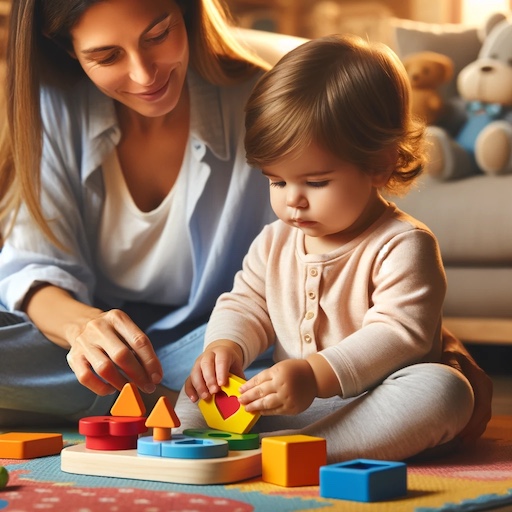
- Strengthen Fine Motor Skills: Offer activities that promote dexterity, such as coloring with crayons, playing with playdough, or simple puzzles. These activities improve hand-eye coordination and prepare them for tasks like writing.
- Ensure a Safe Environment for Exploration: Childproof your home to provide a safe space for your child’s increased mobility and curiosity. Encourage exploration and independence in a secure setting.
Remember, every child develops at their unique pace. Celebrate their milestones, provide consistent support, and consult with healthcare professionals for tailored advice to nurture your child’s growth during the terrific twos.
Summary and Resources
By the age of two, children reach pivotal developmental milestones that shape their social, emotional, cognitive, and physical abilities. From expressing emotions and desires through words to running and exploring their environment with enthusiasm, these milestones encapsulate the remarkable journey of growth during the early years.
As caregivers, our role is to provide a nurturing environment that supports this growth. Engaging in meaningful conversations, encouraging imaginative play, and involving them in daily routines can significantly impact their development. Recognizing that each child develops at their own pace, we celebrate each milestone, understanding it as a step towards greater independence and learning.
The CDC's Milestone Tracker app is an excellent resource for tracking your child’s milestones, offering guidance and support. This tool helps caregivers stay informed about what milestones to expect and how to support their child's development effectively.
For more information on nurturing your child's developmental journey and accessing resources, visit the CDC Milestone Tracker page. Let's ensure we provide our children with the support and love they need to thrive at every stage of their early development.